Calm Your Mind: Benefits of Art Therapy Meditation
Art therapy meditation is a powerful tool that combines the creative process of making art with the practice of mindfulness. This unique approach not only fosters self-expression but also promotes mental well-being. In a world filled with stress and distractions, art therapy meditation offers a sanctuary for the mind, allowing individuals to explore their emotions and find inner peace.
Understanding Art Therapy Meditation
Art therapy meditation merges two distinct practices: art therapy and meditation.
What is Art Therapy?
Art therapy is a therapeutic practice that uses artistic expression as a means of communication. It allows individuals to express feelings that may be difficult to articulate verbally. Through various forms of art—such as painting, drawing, or sculpting—participants can explore their emotions, reduce anxiety, and improve their overall mental health.
What is Meditation?
Meditation is a practice that involves focusing the mind to achieve a state of mental clarity and emotional calm. It often includes techniques such as deep breathing, visualization, and mindfulness. The goal of meditation is to cultivate awareness and promote relaxation, which can lead to a greater sense of well-being.
The Intersection of Art and Meditation
When combined, art therapy and meditation create a holistic approach to mental health. This fusion allows individuals to engage in a creative process while simultaneously practicing mindfulness. The act of creating art can be meditative in itself, helping to quiet the mind and foster a sense of tranquility.

The Benefits of Art Therapy Meditation
Engaging in art therapy meditation can yield numerous benefits for mental and emotional health. Here are some of the most significant advantages:
1. Reduces Stress and Anxiety
Art therapy meditation provides a safe space for individuals to express their feelings and emotions. The creative process can serve as a distraction from daily stressors, allowing individuals to focus on the present moment. This shift in focus can significantly reduce anxiety levels.
2. Enhances Self-Expression
Many people struggle to articulate their thoughts and feelings. Art therapy offers an alternative means of expression. Through the creation of art, individuals can convey emotions that may be difficult to put into words. This process can lead to greater self-awareness and understanding.
3. Promotes Mindfulness
Mindfulness is a key component of both art therapy and meditation. By engaging in the creative process, individuals can practice being present in the moment. This mindfulness can help to cultivate a sense of calm and clarity, reducing feelings of overwhelm.
4. Encourages Emotional Healing
Art therapy meditation can be particularly beneficial for those dealing with trauma or emotional pain. The creative process allows individuals to explore and process their feelings in a safe environment. This exploration can lead to healing and personal growth.
5. Boosts Confidence and Self-Esteem
Creating art can be a powerful confidence booster. As individuals engage in the creative process, they may discover new talents and abilities. This newfound self-discovery can enhance self-esteem and foster a positive self-image.
How to Practice Art Therapy Meditation
Incorporating art therapy meditation into your routine can be simple and rewarding. Here are some steps to get started:
Step 1: Create a Comfortable Space
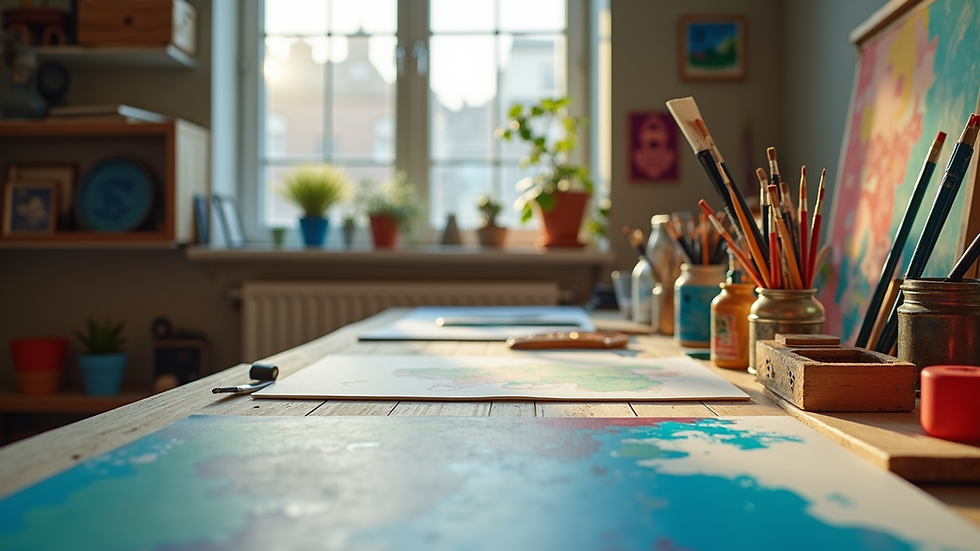
Find a quiet and comfortable space where you can create without distractions. Gather your art supplies, such as paper, paints, or colored pencils. Make sure the environment is calming and conducive to creativity.
Step 2: Set an Intention
Before you begin, take a moment to set an intention for your practice. This could be a specific emotion you want to explore or a goal you hope to achieve through your art. Setting an intention can help guide your creative process.
Step 3: Begin with Mindfulness
Start your session with a few minutes of mindfulness meditation. Close your eyes, take deep breaths, and focus on the sensations in your body. Allow your thoughts to settle as you prepare to engage in the creative process.
Step 4: Create Freely
Once you feel centered, begin creating. Allow yourself to express whatever comes to mind without judgment. There are no right or wrong ways to create art. Focus on the process rather than the end result.
Step 5: Reflect on Your Experience
After your creative session, take a moment to reflect on your experience. What emotions came up for you? How did the process feel? Journaling about your experience can help deepen your understanding and enhance the benefits of your practice.
Examples of Art Therapy Techniques
There are various techniques you can use in art therapy meditation. Here are a few examples:
1. Guided Imagery
In this technique, you visualize a peaceful scene or experience while creating art. This can help to enhance relaxation and promote a sense of calm.
2. Collage Making
Creating a collage allows you to express your feelings through images and words. Gather magazines, newspapers, and other materials to create a visual representation of your emotions.
3. Mandala Drawing
Drawing mandalas can be a meditative practice. The repetitive patterns and shapes can help to focus the mind and promote relaxation.
4. Nature Art
Using natural materials, such as leaves, flowers, or stones, can enhance your connection to nature. Create art using these materials to foster a sense of grounding and peace.
The Science Behind Art Therapy Meditation
Research has shown that art therapy can have significant positive effects on mental health. Studies indicate that engaging in creative activities can lower cortisol levels, which are associated with stress. Additionally, art therapy has been found to improve mood and increase feelings of well-being.
Neuroplasticity and Creativity
Engaging in creative activities can also promote neuroplasticity—the brain's ability to reorganize itself by forming new neural connections. This means that art therapy meditation can not only help with emotional healing but also enhance cognitive function and creativity.
Finding a Qualified Art Therapist
If you're interested in exploring art therapy meditation further, consider seeking the guidance of a qualified art therapist. Look for professionals who are licensed and have experience in both art therapy and meditation practices. They can provide personalized support and help you navigate your creative journey.
Conclusion
Art therapy meditation is a valuable practice that can help calm the mind and promote emotional well-being. By combining the creative process with mindfulness, individuals can explore their feelings, reduce stress, and enhance self-expression. Whether you're a seasoned artist or a beginner, engaging in art therapy meditation can lead to profound personal growth and healing.
Take the first step today by creating a peaceful space, gathering your art supplies, and allowing yourself to express your emotions through creativity. Remember, the journey is just as important as the destination. Embrace the process and discover the transformative power of art therapy meditation.

Comments