Unlock Your Creativity: Art Therapy for Women
Art therapy is a powerful tool that can help women unlock their creativity, express their emotions, and heal from past traumas. In a world where women often juggle multiple roles and responsibilities, finding time for self-expression can be challenging. This blog post explores the benefits of art therapy, how it works, and practical ways to incorporate it into your life.
Understanding Art Therapy
Art therapy combines the creative process of making art with psychological theory and practice. It is facilitated by a trained art therapist who guides individuals in using art to explore their feelings, improve self-esteem, and manage stress.
The Benefits of Art Therapy
Emotional Expression
Art therapy provides a safe space for women to express emotions that may be difficult to verbalize. Through painting, drawing, or sculpting, individuals can convey feelings of joy, sadness, anger, or anxiety.
Stress Relief
Engaging in creative activities can significantly reduce stress levels. The act of creating art allows women to focus on the present moment, providing a break from daily worries.
Self-Discovery
Art therapy encourages self-exploration and personal growth. Women can gain insights into their thoughts and behaviors, leading to a deeper understanding of themselves.
Healing from Trauma
For those who have experienced trauma, art therapy can be a powerful healing tool. It allows individuals to process their experiences in a non-threatening way, facilitating emotional release and recovery.
Building Community
Participating in group art therapy sessions fosters a sense of community and connection. Women can share their experiences, support one another, and build lasting friendships.
How Art Therapy Works
Art therapy is not about creating a masterpiece; it is about the process of creation. Here’s how it typically works:
Initial Assessment
The first step involves an assessment by the art therapist. This may include discussing the individual's background, goals, and any specific challenges they face. The therapist will tailor the sessions to meet the unique needs of each participant.
Creative Activities
During sessions, participants engage in various creative activities. These can include:
Drawing and Painting: Using colors and shapes to express emotions.
Collage Making: Combining images and materials to create a visual representation of feelings.
Sculpting: Working with clay or other materials to explore tactile sensations and creativity.
Reflection and Discussion
After creating art, participants often engage in reflection and discussion. This allows them to articulate their thoughts and feelings about the artwork and the creative process. The therapist may guide this conversation to help individuals gain insights into their experiences.
Ongoing Support
Art therapy is often part of a broader therapeutic process. Participants may continue to work with the therapist over several sessions, allowing for deeper exploration and healing.
Practical Ways to Incorporate Art Therapy into Your Life
You don’t need to be an artist to benefit from art therapy. Here are some practical ways to incorporate creative expression into your daily routine:
Create a Dedicated Art Space
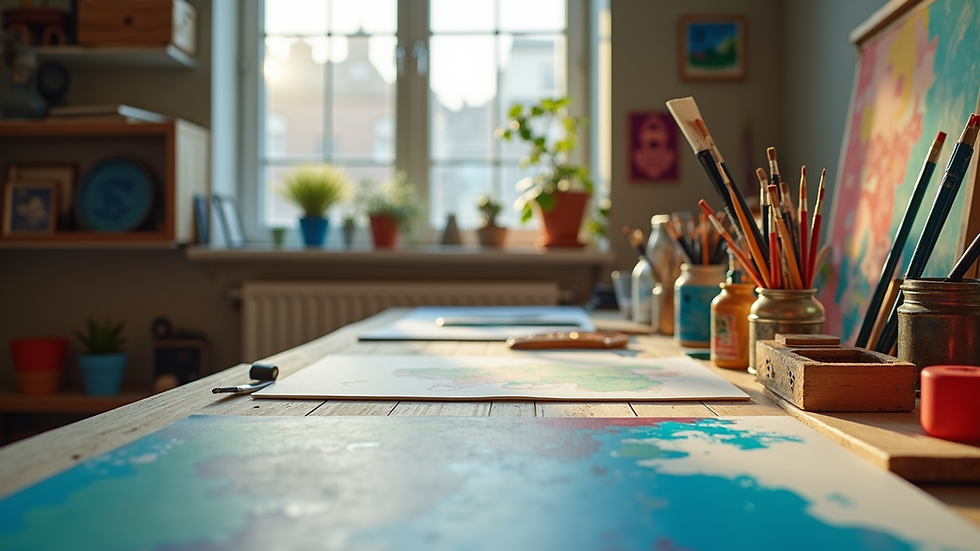
Set up a small area in your home where you can create art without distractions. Stock it with basic supplies like paper, paints, markers, and clay. Having a dedicated space can encourage you to engage in creative activities regularly.
Schedule Regular Art Time
Just like any other appointment, schedule time for art in your calendar. Whether it’s once a week or a few times a month, having dedicated time for creativity can help you prioritize self-expression.
Explore Different Mediums
Experiment with various art forms to discover what resonates with you. Try painting, drawing, collage, or even digital art. Each medium offers unique ways to express yourself.
Join a Local Art Class or Group
Look for local art classes or groups that focus on creative expression. Being part of a community can provide support and inspiration, making the creative process more enjoyable.
Use Art as a Journaling Tool
Combine art with journaling by creating visual journals. Use drawings, collages, or paintings to represent your thoughts and feelings. This can be a powerful way to process emotions and reflect on your experiences.
The Impact of Art Therapy on Women’s Lives
Art therapy has a profound impact on women’s mental health and well-being. Here are some real-life examples of how it has transformed lives:
Case Study 1: Healing from Loss
Sarah, a 35-year-old woman, turned to art therapy after losing her mother. Through painting, she was able to express her grief and process her emotions. The therapist guided her in creating a series of paintings that represented her journey through loss. This creative outlet helped Sarah find closure and reconnect with her mother’s memory in a positive way.
Case Study 2: Overcoming Anxiety
Jessica, a 28-year-old woman, struggled with anxiety and self-doubt. After participating in art therapy, she discovered that creating art helped her manage her anxiety. By focusing on the creative process, she learned to quiet her racing thoughts and express her feelings. Over time, Jessica gained confidence and improved her overall mental health.
Case Study 3: Building Connections
Emily, a 40-year-old woman, joined a community art therapy group after feeling isolated. Through collaborative art projects, she formed meaningful connections with other women. The shared experience of creating art fostered a sense of belonging and support, helping Emily overcome her feelings of loneliness.
Conclusion
Art therapy offers women a unique and powerful way to unlock their creativity and heal from emotional challenges. By providing a safe space for self-expression, it encourages personal growth, emotional release, and community building. Whether you choose to engage in art therapy with a professional or incorporate creative activities into your daily life, the benefits are profound.
Take the first step towards unlocking your creativity today. Set aside time for art, explore different mediums, and connect with others who share your passion for self-expression. Remember, the journey of creativity is not about perfection; it’s about the process and the healing it brings.


Comments